
July 15th, 2015 by J B
Wireless With Strings Attached
Filed in: Monthly Newsletters |
Do you need to process credit cards wirelessly?
In the past there was only one option when it came to truly mobile processing, the cellular credit card terminal. While these devices work great and offer fast stable processing, they can be expensive and usually come with additional monthly cellular fees from a wireless provider. As technology has progressed so have the wireless processing options, like the smartphone or tablet. These devices use an existing smart device and convert it into a credit card terminal.
Square popularized smartphone and tablet processing which is now the fastest growing wireless processing option today. There are currently multiple options when it comes to processing a transaction on a smartphone, and many people don’t realize their existing merchant service provider probably has smartphone processing options already available. If your business has looked at accepting wireless payments in the past and decided it was cost prohibited then it might be time to take another look. We currently offer MS Mobile for our current and new merchant account customers. MS Mobile uses an anti spin card reader that plugs into a headphone jack. Unlike other mobile specific providers, MS Mobile customers still get the same 24 / 7 support for their equipment and services and a dedicated account manager whom they can correspond with for any future needs.
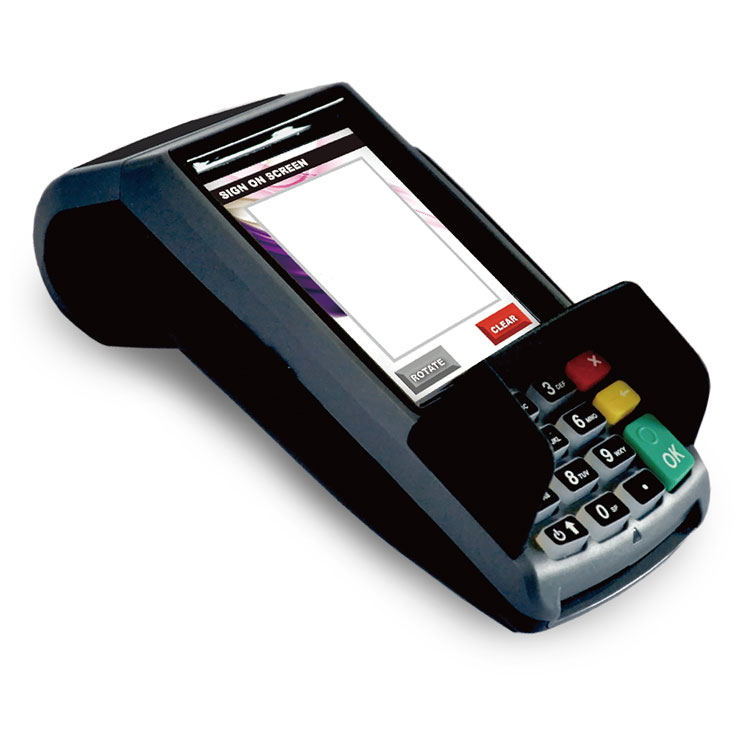
Dejavoo Z9 WiFi Credit Card Terminal
“I thought a Wifi terminal would have a battery?”
We can’t tell you how many times over the years we’ve spoken to merchants who want a terminal they can connect to Wifi, but for years the only offerings were Ethernet based devices. Wifi terminals are becoming more prevalent which is wonderful for those of us who don’t want to run yet another wire to the checkout counter. Many of the Wifi devices miss the mark by leaving out key features that would otherwise make them a go to terminal for almost any merchant. Dejavoo’s Z9 seems like it was designed to be the exception. The Z9’s is a very capable terminal with all the bells and whistles you would expect and a price tag comparable to other terminals with its features.
The Features:
The Z9 Wifi is a small handheld terminal with a 3.5″ color touch screen and built in printer. Dejavoo outfitted this new device not only with features that will keep it relevant for years, but also one of the Wifi cards available in credit card terminals today. As you should expect it supports EMV so it’s ready for the October 1st liability shift and the Z9 is also enabled with NFC so you’re ready to accept contactless payments like ApplePay and Android Pay without additional hardware. One of our favorite features, normally only found on cellular based terminals, is a built in battery, which is hugely beneficial for mobile businesses. This means, if the merchant has access to a WPA-2 or better encrypted Wifi connection, they don’t need to maintain a wireless fee to a cellular provider to use a robust terminal.
Optional Docking Station:
Like everything that’s designed to be small and mobile, WiFi terminals have their drawbacks, however Dejavoo has done a good job of overcoming those with their optional docking station that expands the terminals capabilities. While the terminal itself doesn’t have any connectivity ports like a traditional phone line or Ethernet, the docking station provides those and more. It even adds Bluetooth support allowing it to be wirelessly connected to a separate printer that can hold a much larger paper roll.
Conclusion:
We have been very impressed by the Z9 Wifi after playing with it the past few weeks. It’s a small, easy to use, mobile terminal and with the optional docking station it goes from a compact terminal to an all-around great fit for most any business. The Wifi terminal itself carries a price tag of just $350 which for a Wifi device with EMV, NFC, and a battery, is exceptional. The optional docking station is an additional $85, but for merchants who have a storefront and do mobile events as well, you get a device that is both a small mobile terminal and a counter top work horse.
 Apple Pay was rolled out fall of 2014 with headlines blasting out how it was going to change the payment industry. Now that it’s been out for six months and the hype has died down, it’s time to decide to accept Apple Pay or ignore it as a passing fancy.
 There are a few big box retailers who have tried to develop their own systems to circumvent the credit card networks or have boycotted Apple Pay. Best Buy and Walmart are two examples of companies attempting their own mobile systems and CVS Pharmacy and Rite-Aid have actually turned off all NFC capable payment devices. This effectively stopped Apple Pay from working at their stores. Although Apple certainly isn’t the first company in the digital wallet / mobile payments space, they are thus far the most successful in the least amount of time. The buzz and hype around their service has really helped to increase the number of businesses accepting those payments. With an iPhone that supports Apple Pay one can simply add their current credit cards into the device through the Passbook app, and after a quick verification with the card issuer, the iPhone is ready to make payments at more than 700,000 locations.
 Which Apple products support Apple Pay?
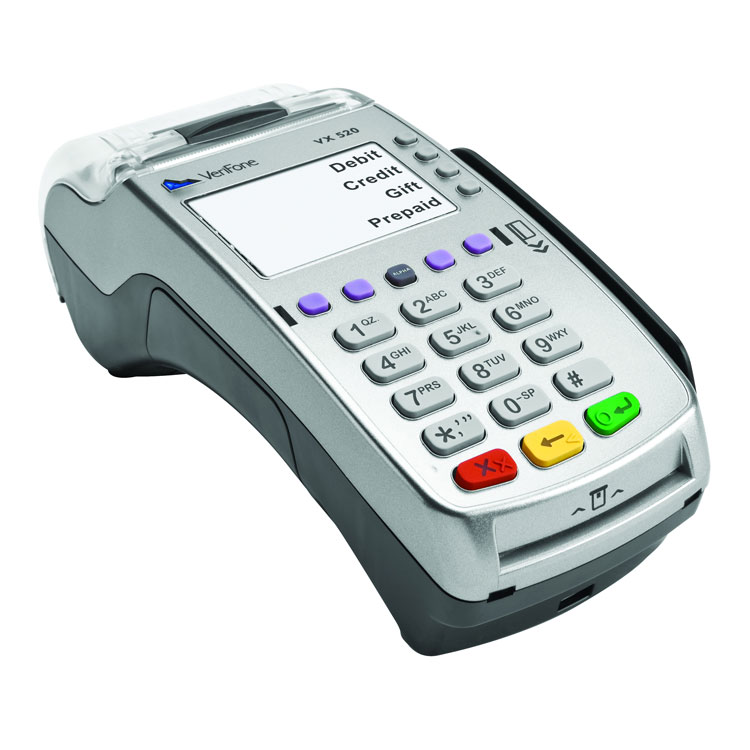

 We just got word that VeriFone is discontinuing their PC Charge software. Apparently due to EMV, PC Charge will discontinue all new support contracts Oct 1st, 2015. We will continue